
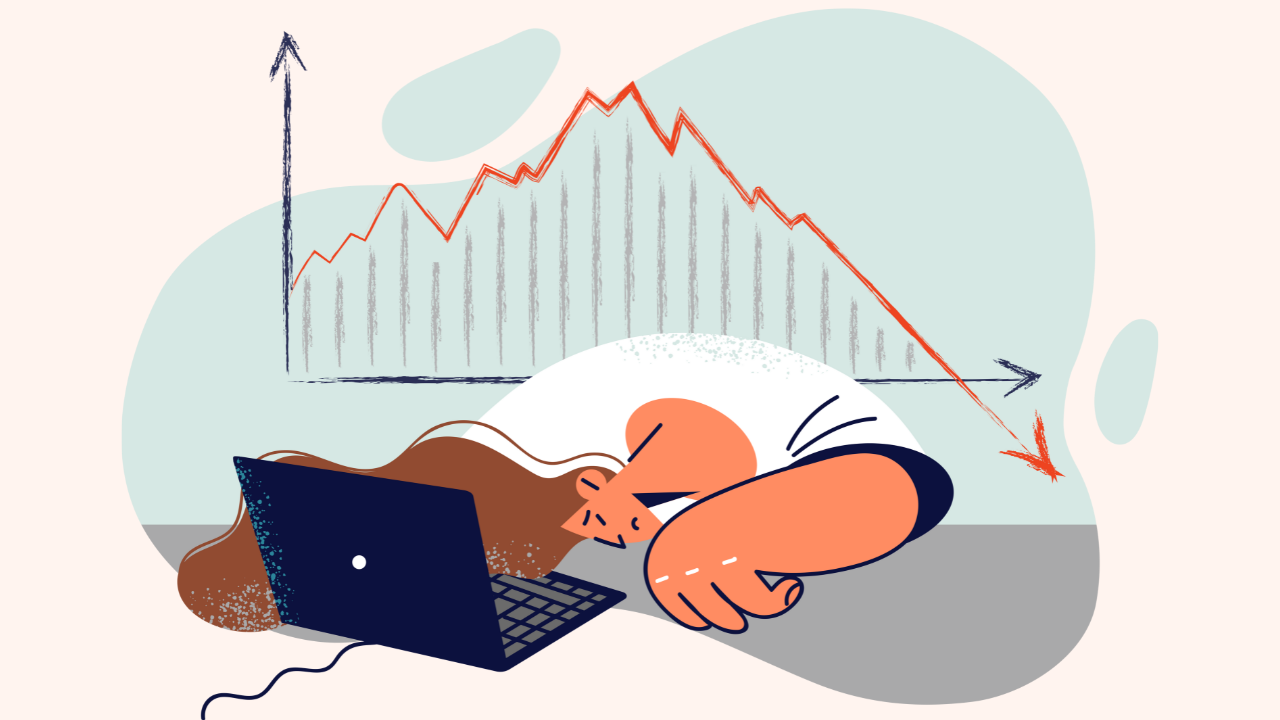
The minute university begins, days seem long and exhausting. It never feels like there's enough time to reset fully. We wake up tired, no matter how much sleep we get– whether it’s four hours or ten– and no amount of coffee or energy drinks can keep up with our fatigue. It becomes a cycle of burnout that only ends when holidays or summer break come around. This phenomenon is called Tired all the Time, or TATT, by many medical experts.
Despite fatigue being a common phenomenon in many adults, if not most adults, there isn’t a simple cure for it. However, through continued research, such as reported in New Scientist, scientists are beginning to understand why we feel this way and how it might be solved.
Why are we Tired all the Time (TATT)?
So why do we feel tired? It could be due to energy release in cells, stress, illness or the brain conserving energy as it prepares itself for a task.
Mitochondria, also known as the “power house of the cell,” take the broken-down molecules from our food, through a series of biochemical pathways, converting them to chemical energy for cells to work with. Energy release in the mitochondria affects how energetic we are; in fact, many studies have shown that when the mitochondria aren't working effectively, people feel exhausted and sluggish.
A drain of energy production in mitochondria can explain our exhaustion. One might think that having a surplus of fuel will boost our energy levels; however, that only overworks the mitochondria. As mentioned earlier, energy release in mitochondria needs to be done in small steps. If too much fuel arrives at once, the mitochondria have to pause energy production and shift their focus to storing the extra energy for later, leaving us with less energy at present. Research has also found that high sugar diets lead to unproductive mitochondria, leaving many of us lethargic and moody. Stress also significantly drains energy production as it actually increases the rate of energy usage of cells by 60%. Mitochondria produce cortisol, a stress hormone that signals to our brain when extra energy is needed to handle a challenge. Mitochondria may be the powerhouse of the cell, but they might just be the powerhouse of our bodies, too.
Exhaustion can be explained by how our brain perceives the world. Our physical energy levels may stay the same, but the brain’s prediction of what lies ahead can dramatically change how energized we feel. This can explain why good news can make us feel more energized while bad news can drain energy, as the brain now has to handle this news and deal with the situation. So even with a good night’s sleep, we can still be exhausted as our surroundings do have an impact on how our brain perceives the world and how it prepares itself for what's ahead.
GDF15 (growth differentiation factor) is a signalling molecule that cells release under various types of stress. It works as a distress signal telling the brain to conserve energy. GDF15 is actually a marker of ageing– its levels in the blood increase up to 25% each decade. One study by Martin Picard at Columbia University has found that with time, cellular repair systems decline and cells accumulate damage, alerting the brain by sending distress signals in efforts to make the brain conserve energy when possible. In another study, Picard (2023) explored how our body allocates energy to different places. He found that when people are going through a stressful time, their hair strands begin to grey; however, the hair returns to its original colour after that stressful period is over. It is similar to exam season when we’re overwhelmed and begin to ignore the daily tasks around us, like cleaning our room. The mess gets bigger as we focus most of our energy on managing the stressful situation and studying.
How to Prescribe Exhaustion
Reading all this may have taken energy that perhaps could have been conserved. But the solution is not a special medical prescription… rather, it consists of relying on our daily routines.
Most of us have heard that meditation has many benefits, such as calming the body and mind, therefore reducing the need to constantly rest and conserve energy.
Diet also significantly contributes to our energy state. High sugar diets lead to unproductive mitochondria, and that extra energy can actually make the mitochondria work overtime, draining energy. Next time, think twice before cracking open another energy drink.
Exercise has proven to do the opposite of what sugar does. Regular exercise forces the body to increase the production of energy and remove unproductive mitochondria by replacing them with new ones.
Lastly, the best way to truly re-energize is to surround ourselves with the right people. Our brains manage energy based on what it perceives, and being around people who drain us triggers the brain to sense a loss of energy and shift into conservation mode. Surround yourselves with those who genuinely love and care for you, and find ways to enjoy your own company with recreation and hobbies. It’s important not to lose one’s energy and identity throughout the university journey.
Here’s to your journey towards finding your energy!